Quick, accurate electrical conversions with European voltages as the default. Every tool supports single-phase, three-phase and DC where it applies, and shows its working.
Most popular
Most online converters assume a 120 V American supply. The UK and the rest of Europe use 230 V single-phase and 400 V three-phase, so results from those tools can be badly wrong here. These calculators start at 230 V and 400 V and still offer 120 V and 240 V when you need them.
Conversions are for planning and understanding only. Choosing cables, fuses and breakers must be done by a qualified electrician, and fixed installations in the UK must meet BS 7671.
All electrical calculators calculators
More electrical calculators calculators


































Guides on this topic
-
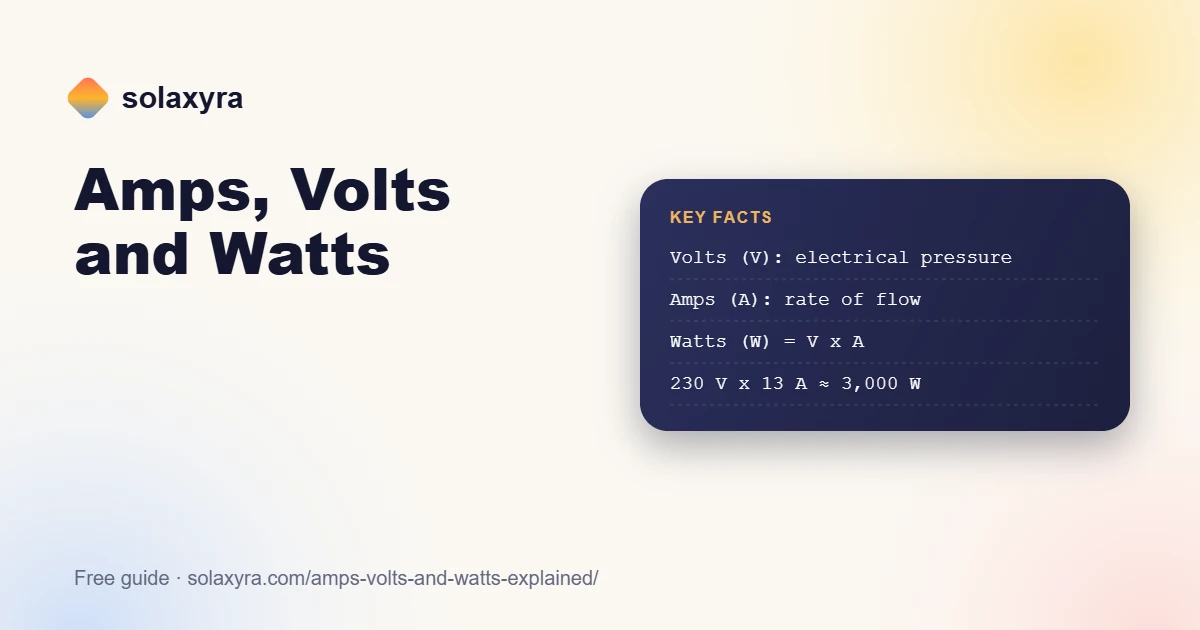
Amps, Volts and Watts Explained Simply
What amps, volts and watts measure, how they relate, and what they mean for plugs, fuses and bills.
-
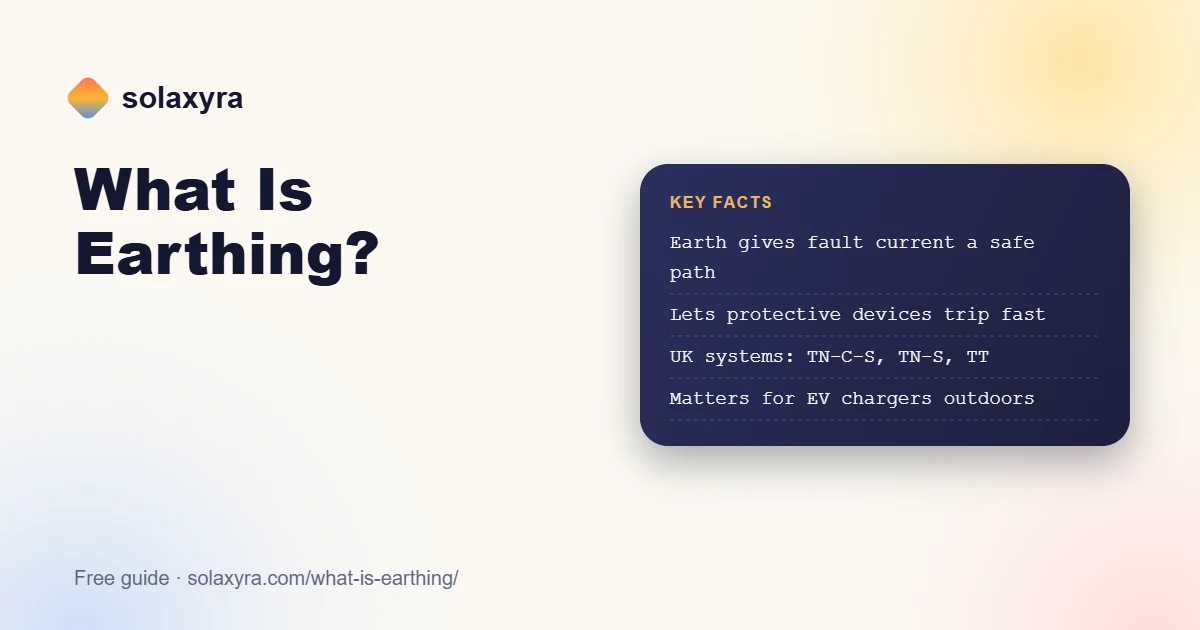
What Is Earthing? UK Earthing Systems Explained
Why homes need an earth, how TN-C-S, TN-S and TT systems differ, and what it means for EV chargers.
-

How to Wire a Plug in the UK: Colours, Fuses and Safety
Which wire goes where, the right fuse for each appliance, and the safety checks before you plug in.
-
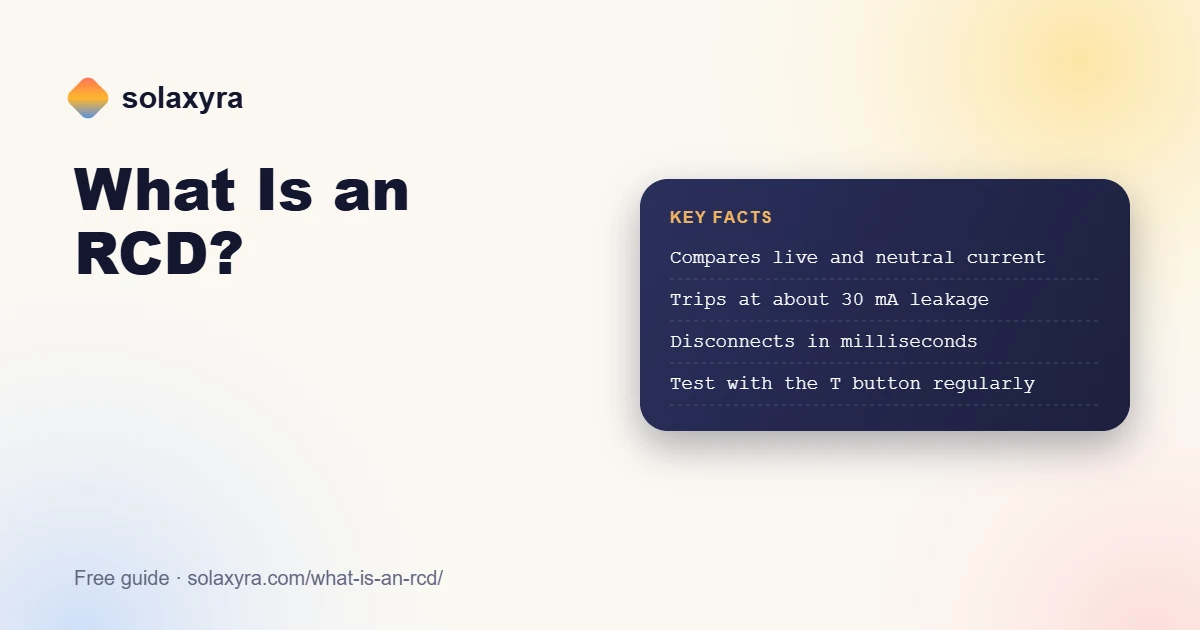
What Is an RCD? How Residual Current Devices Protect You
How an RCD detects earth leakage, how it differs from an MCB and RCBO, and what to do if it…
-
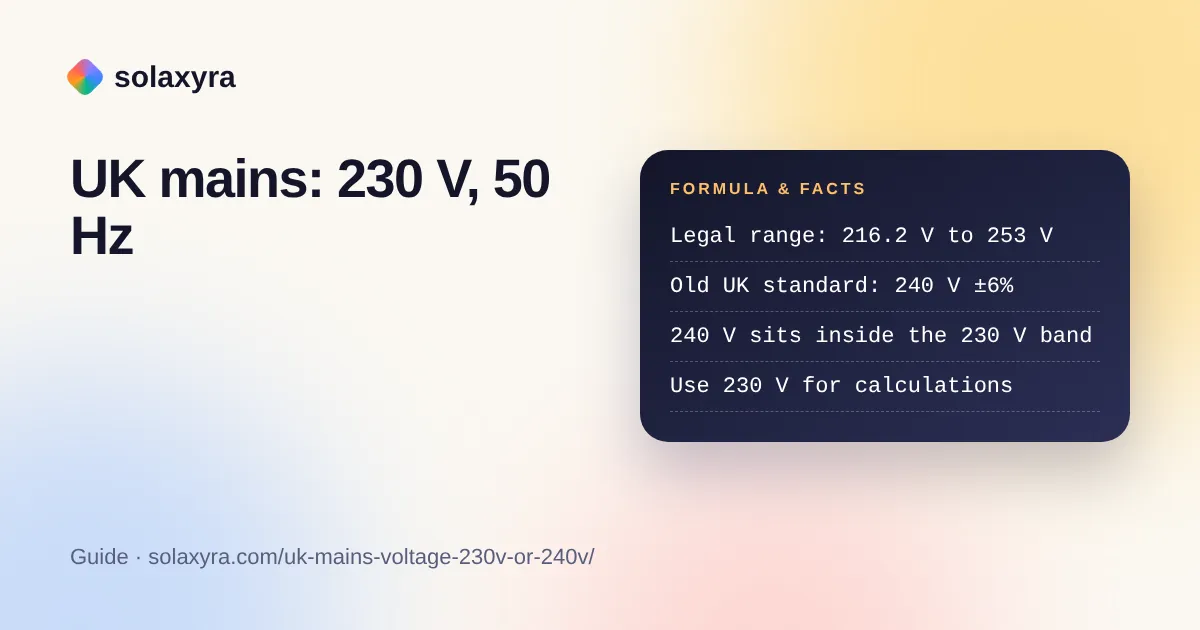
UK Mains Voltage: Is It 230V or 240V?
Why the UK declares 230 V, why homes often read higher, and what it means in practice.
-
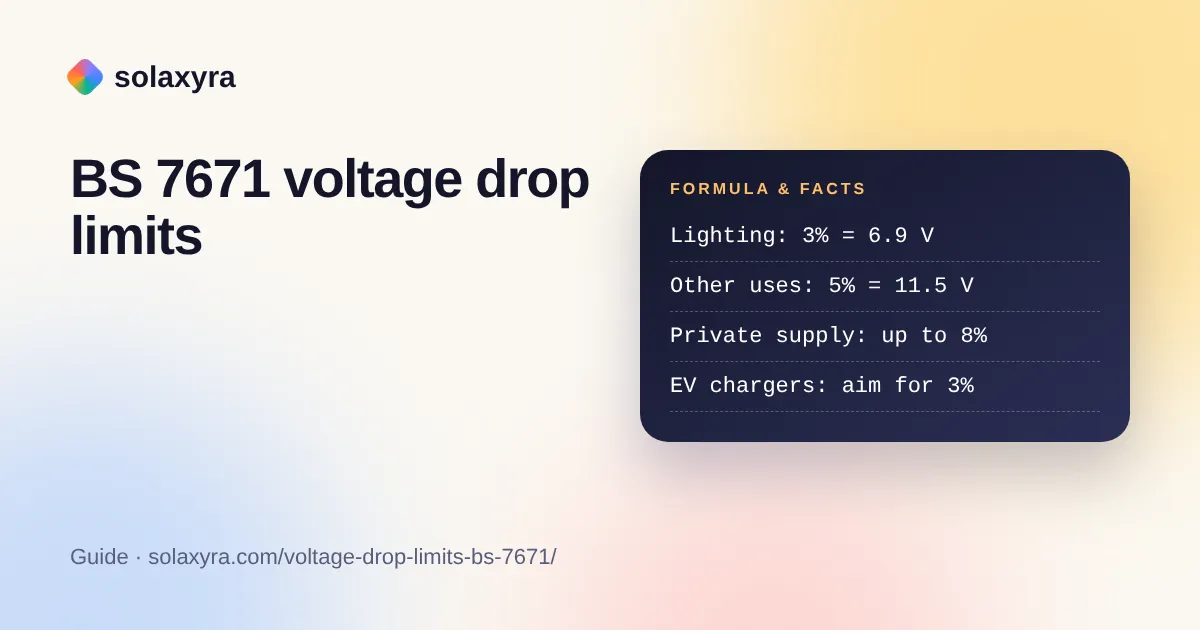
BS 7671 Voltage Drop Limits: 3% and 5% Explained
The 3% and 5% UK voltage drop limits in volts, the EV charger 3% advice and how to calculate drop.
-

Three-Phase Electricity in UK Homes: Do You Need It?
What three-phase is, how much more it gives than single-phase, and when a UK home needs it.
-
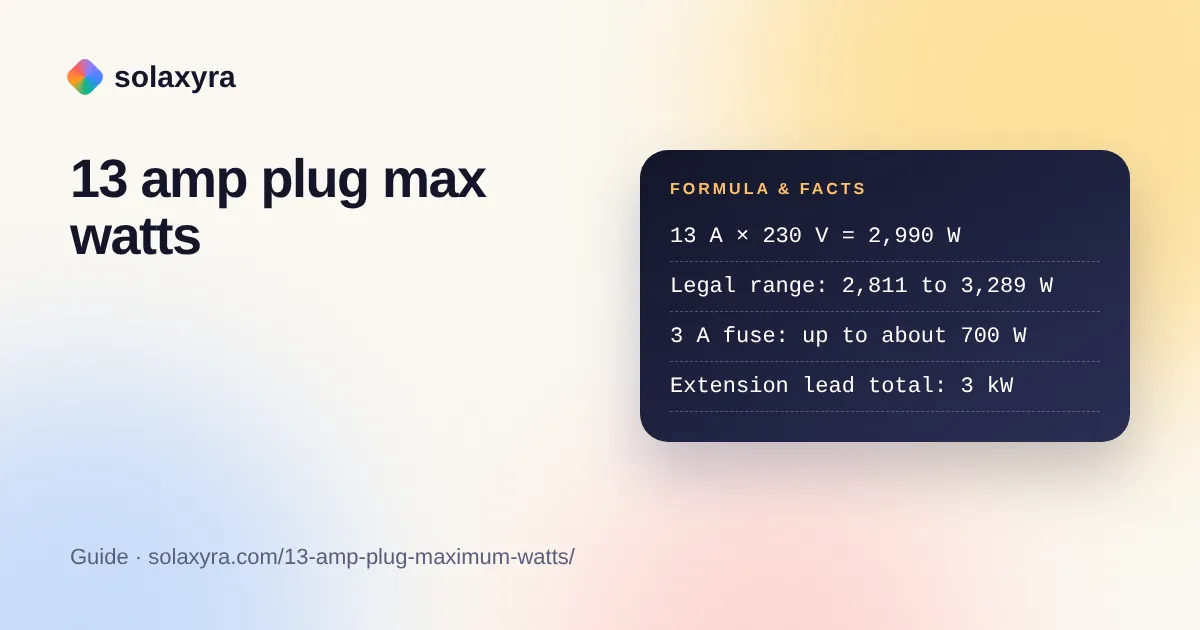
13 Amp Plug Max Watts: How Much Can a UK Socket Take?
How many watts a UK 13 A plug, fuse, extension lead and socket circuit can safely supply.
-

kVA vs kW: What Is the Difference and Why Does It Matter?
Real vs apparent power, power factor and generator sizing at UK 230 V, with a worked check.
-
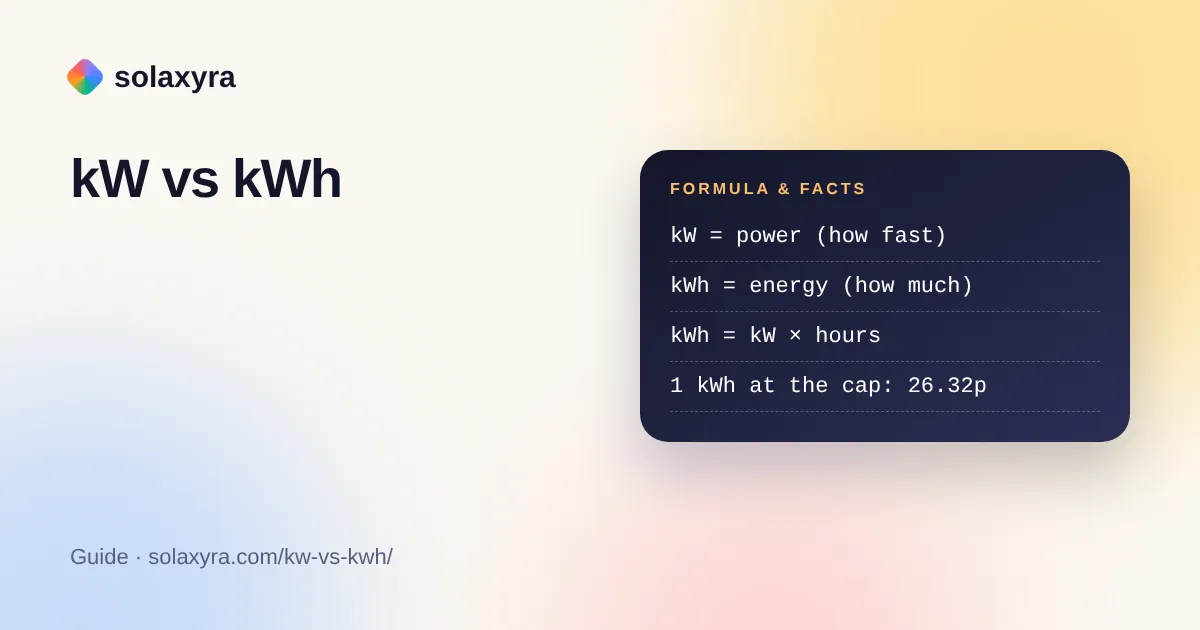
kW vs kWh: What Is the Difference and Which Do You Pay For?
Power vs energy in plain English, with conversions and UK costs at the October 2026 cap.
Frequently Asked Questions
How many amps is 3 kW at 230 V?
At 230 V and a power factor of 1, 3 kW draws about 13 A, because current equals power divided by voltage. On a 400 V three-phase supply the same 3 kW draws about 4.3 A per line.
What is the difference between kW and kVA?
kW is real power that does useful work, while kVA is apparent power, the product of voltage and current. They are linked by the power factor: kW equals kVA times power factor. For a heater they are almost equal; for motors kVA is higher.
Which voltage should I use for calculations in Europe?
Use 230 V for single-phase and 400 V line to line for three-phase supplies in the UK and EU. These are the harmonised nominal values, and real voltages vary slightly around them.
Checked October 2026 by the Solaxyra Editorial Team. Read how we build and check our tools in our editorial policy.